
Digital Forensics
A conversation is more than a screenshot.
Assess text messages and messaging-app evidence, including relevant conversations, attachments and related information, within an authorized scope.
01
Identify the conversation and source.
Explain which application, devices, participants and dates matter. A device, account export or backup may provide different material. Discuss feasible collection options before asking a client to reorganize or delete anything.
02
Preserve the surrounding context.
A selected image can be useful to identify a concern, but it is not the same thing as a scoped conversation collection. Consider relevant attachments, sequence and the information needed to interpret who is communicating.
03
Make the production intelligible.
Agree how the material will be organized for review. Where translation is required, distinguish the original material from translated content and document who prepared the translation. Do not silently substitute a translation for the original record.
MOBILE COMMUNICATIONS
Text messages and messaging-app evidence
Start with the conversations that matter. We assess available messages, attachments and related information within the authorized scope.
Text messages
SMS, MMS and iMessage conversations, including relevant attachments and surrounding records where available.
- SMS
- MMS
- iMessage
Messaging apps
WhatsApp, WeChat, Telegram, Signal and other apps, assessed against the specific device, app and available sources.
- Telegram
- Signal
- Other apps
Availability depends on the device, operating system, app version, access and retention. An app named here is a source to assess, not a guarantee of extraction or deleted-message recovery.
App names are references only. No affiliation or endorsement is implied.
RELEVANT SOURCES
Start with what is available.
Discuss the sources that can help answer the question, within an authorized scope.
 SMS, MMS and iMessage text conversations
BEFORE WE BEGIN
A more useful first conversation.
- Identify the app and device.
- Provide participants and date ranges.
- Discuss language and translation requirements.
RELATED ARTICLES
Useful before you need us.
Practical perspectives and clear next steps.
Article
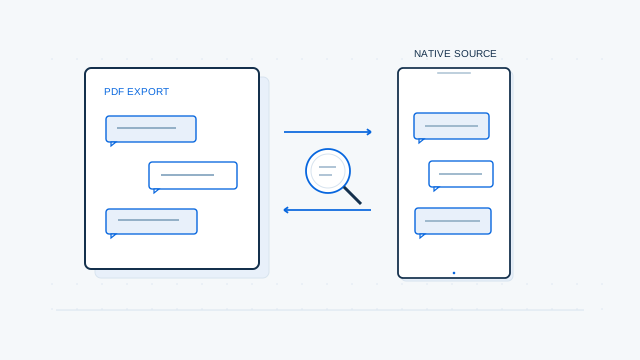
When a PDF of Text Messages Is Disputed
A practical approach to testing disputed message exhibits against lawfully available source records, with clear limits when devices or accounts are unavailable.
Read article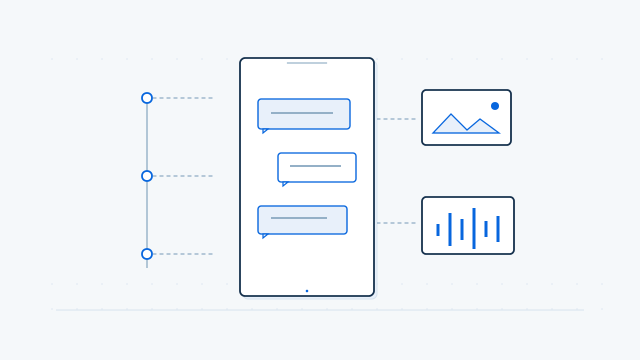
Article
Mobile Messaging Evidence Beyond Screenshots
How to scope and preserve mobile conversations across SMS, MMS, iMessage, WhatsApp, WeChat, Telegram, and Signal without assuming every device or backup is recoverable.
Read articleYOUR NEXT STEP
What do you need to understand?
Tell us what you need to understand.